
Leave Your Message

Blog

What Is a Fiber Optic Enclosure Used For?

What Is a Fiber Optic Enclosure Used For?

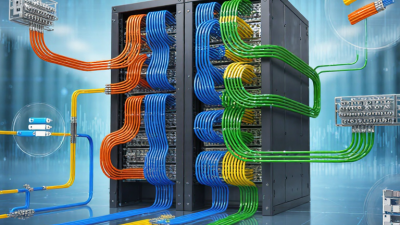
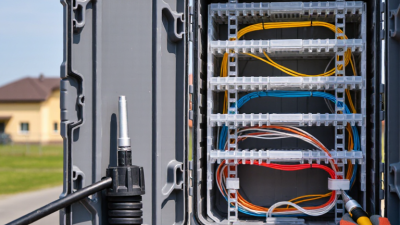
So, as fiber networks creep closer to homes, businesses, and cell towers, those outdoor connections have to deal with rain, dust, temperature swings, and people accidentally bumping into things. You know what helps keep all that in check? A fiber optic enclosure – it's like a protective little home for your splices. It holds splice trays, tucks away extra cable, and keeps those delicate fiber joints separated and easy to reach when you need to do maintenance. Pretty handy, right? Honestly, the details are everything. You could have a cable that's not secured well, or a splice that's got some dirt in it – and that can cause problems you'll never spot just by glancing from the street. The sheer number of connections is why something this small can be such a big deal. According to the ITU's latest figures, around 5.4 billion people—roughly two-thirds of everyone on the planet—are online. Sure, that's a loose measure of connectivity, not just fiber users, but it really shows how much we now rely on solid network infrastructure. You know, the Fiber Optic Association – the crew led by Jim Hayes, who's basically the go-to educator in fiber optics – they call fiber optics “the technology of choice for communications.” Now, that's talking about the fiber medium itself, not the enclosures or anything like that. But here's the thing: if you've got properly protected splice points, that's what keeps the whole system performing reliably out in the field. You know, an enclosure isn't just a box that keeps the rain out. It's got to fit where you're putting it—overhead, underground, on a wall, or on a pedestal. And technicians have to think about cable entry, sealing, bend radius, splice capacity, and how you're going to get at it later. Honestly, there's no one-size-fits-all. It all comes down to the site and the network plan. But here's the kicker: even a top-rated model won't save you if the installers skip the sealing steps or leave the fibers strained. That part? Yeah, that's worth double-checking.
Read more »
Lila By:Lila - November 12, 2026
What Are the Top Types of Fiber Jumpers?

What Are the Top Types of Fiber Jumpers?

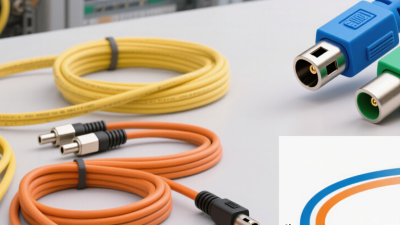
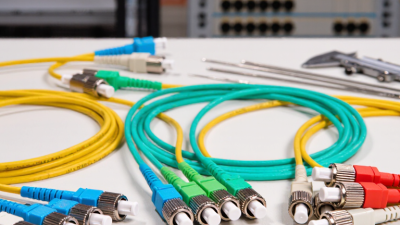
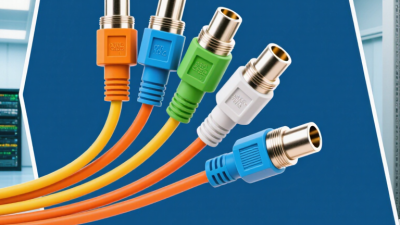
You'd think fiber jumpers are pretty straightforward – just a cable with connectors on each end, right? But picking the wrong one can really mess things up. You might end up with a poor fit, extra signal loss, or a headache during installation. Honestly, it's not just about how the cable looks. You've gotta consider what equipment you're using, how far the connection needs to go, what kind of connectors you need, and the environment it'll be in. All that matters more than you'd guess. So, you're diving into the world of fiber jumpers? There's a lot to unpack here, but don't worry — I'll break it down. We’ve got simplex and duplex designs, single-mode and multimode, and then the connectors: LC, SC, ST, and FC — each with its own quirks. Plus, you need to figure out where UPC and APC polish types come into play. And let's not forget the importance of the cable jacket, length, and bend radius when you're dealing with racks and patch panels. I mean, these little details can make or break your setup. For example, a short LC duplex jumper is perfect for a tight data-center cabinet, but if you're running a campus link, a longer single-mode jumper is probably your best bet. So yeah, the small stuff really matters. Just to be upfront, Jordan Lee isn't a real person – I made them up for this example, so don't quote them as an expert. Their advice? “Match the jumper to the link, then verify the connector and polish.” Sounds good, but you can't just rely on a checklist – you've gotta check the equipment specs and actually measure the installed link. And hey, fiber categories overlap all the time in the real world, so those neat little labels might not tell you everything. So, if you're trying to figure out which type works best, this overview's got your back. It breaks down the main options, shows you what you're gaining and giving up with each, and helps you pick something that actually fits your needs.
Read more »
Lila By:Lila - November 9, 2026
10 Best Fiber Optic Network Cables for Businesses

10 Best Fiber Optic Network Cables for Businesses

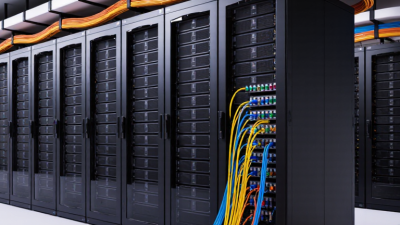
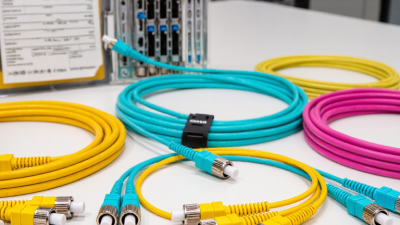
You know, a business network can look so clean and tidy when you draw it out on a diagram. But the reality? Those cables are crammed into crowded racks, snaking through ceiling trays, and running through outdoor conduits. And every route comes with its own set of headaches—you've got to think about how far it needs to reach, how much bandwidth it needs, what connectors to use, and how much physical protection it can get. Sure, a Fiber Optic Network Cable can handle way more data over much longer distances than copper. But honestly, picking the right one isn't just about the speed on the box—it really depends on where and how you're installing it. You ever wonder why choosing the right kind of broadband actually matters? Well, the numbers kind of tell the story. According to the OECD’s broadband stats, fiber made up about 38% of fixed broadband subscriptions across their member countries back in June 2023. Cisco’s Annual Internet Report also projected that global IP traffic would hit 396 exabytes per month by 2022 — though that was just a prediction, not an actual measurement at the time. Still, the overall picture is hard to miss: networks are going to have to cope with a whole lot of traffic. It's worth noting that these numbers really speak to adoption and demand — they're not about how any one specific cable performs. So this guide walks you through ten different options for business use—single-mode vs multimode, the usual connector types, and indoor/outdoor builds. We also get into the nitty-gritty: transmission distance, fiber count, jacket rating, and whether it'll play nice with what you already have. A cheap cable might be fine for a short rack connection, but it can come back to bite you on a campus link. And yeah, the opposite happens as well. Look, a ranked list only gets you so far—it’s no substitute for actually walking the site. And specs? They won’t always show you where the real headaches are during installation. So treat this comparison as a jumping-off point, then double-check the details with your network team or installer before committing.
Read more »
Oliver By:Oliver - November 6, 2026
What Is Fiber Optic Cleaning and Why Is It Important?

What Is Fiber Optic Cleaning and Why Is It Important?

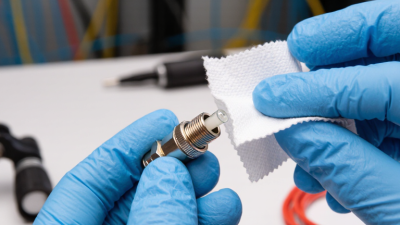
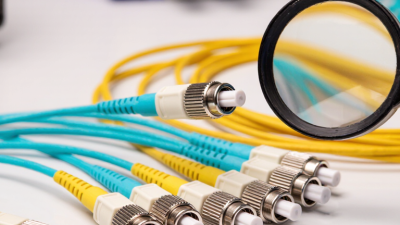
Fiber optic cleaning isn't just about wiping things down. You're actually removing dust, oils, and other gunk from those tiny end faces, adapters, and connectors. Sounds easy enough, right? But in practice, even a speck you can't see with the naked eye can mess with the light traveling through the link. The result? Higher signal loss, flaky performance, or a whole lot of unnecessary troubleshooting. You know, when techs are working with fiber optics, they've got a whole toolkit: inspection scopes, lint-free wipes, and fiber-safe cleaners. The routine? They inspect the end face, give it a clean with the right method, then double-check it before reconnecting. And here's the thing – a connector might look spotless to the naked eye, but it can still be hiding contamination. So dry cleaning works fine for light dust, but if you're dealing with stubborn gunk, you might need to go with a wet-to-dry approach that's compatible. Honestly, just always follow the instructions that come with your equipment and tools. I know it sounds like common sense, but if you're not careful, you can scratch a polished surface or transfer dirt between connectors—and nobody wants that. So why should we bother with such a tiny task? Think about it – modern networks rely on stable optical connections, whether it's in data centers, offices, or telecom setups. Keeping those interfaces clean really helps maintain signal quality and cuts down on faults that can eat up hours of troubleshooting. But here's the thing: cleaning shouldn't just become this automatic routine you do without actually checking what's going on. In fact, overdoing it can bring in new dirt or grime, and no amount of cleaning is going to fix a connector that's already damaged. That's a line people often blur, and it's a big deal. Let's be real—when it comes to maintaining fiber optics, it's not just about wiping stuff down. A solid routine actually means inspecting, cleaning the right way, and handling things carefully, plus keeping notes if you start seeing the same issues pop up again. And yeah, fiber optic cleaning might sound like basic housekeeping, but honestly, it's a key move for keeping your connections performing at their best. That said, there's no one-size-fits-all procedure. It depends on your connector type and where you're working, so make sure you check what your gear actually needs.
Read more »
Oliver By:Oliver - November 3, 2026
Why Use 45° Flare Fittings?

Why Use 45° Flare Fittings?

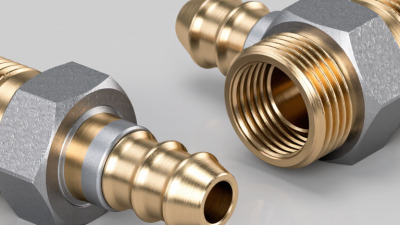
Why use 45° flare fittings? Honestly, the appeal is pretty straightforward: when you've got a properly formed tube end that meets up with a matching fitting seat, you get a solid metal-to-metal seal. And here's the kicker – you don't need to mess with thread tape at the sealing surface. That alone makes inspection and servicing a whole lot easier. But you know what? The little details really count. A clean cut on the tube, a smooth flare, and picking the right fitting size – all of that plays a big role in how well the connection holds up. Honestly, these fittings show up in all sorts of places—like automotive lines, some refrigeration setups, and certain fluid systems—whenever the spec calls for that 45-degree flare. They're pretty compact, which is great for tight spots, and the familiar connection style makes maintenance a breeze. But here's the catch: they're not a one-size-fits-all solution. You've got to make sure the tube material, wall thickness, pressure rating, and what you're flowing through them all line up with what the system needs. That part's non-negotiable. You know, when you're searching for fittings, you might see "45° Fa" pop up, but that's not the whole story. Before you hit that order button, make sure you double-check the complete fitting type and the actual dimensions—trust me, it saves a headache later. Putting this together properly is all about patience, not muscle. You want the flare to be nice and even—no cracks, obviously. And the nut should thread on smoothly, then tighten it just to what the manufacturer says. Over-tightening? That'll mess up the sealing surfaces. And here's the kicker: even if the parts look like they fit, a bad flare will leak. People always overlook that. So do a careful visual check, and if you can, run a leak test—just follow the system maker's instructions on how to do that. You know, when it's done right, a 45° flare fitting gives you a solid, dependable connection. But that's only if you've got the right parts and you install it correctly, of course.
Read more »
Oliver By:Oliver - October 30, 2026
10 Optical Network Buying Tips for Global Buyers

10 Optical Network Buying Tips for Global Buyers

Honestly, picking an Optical Network for global operations isn't just a simple equipment purchase. You've got to think about distance, traffic patterns, how you'll access it for maintenance, and what the local infrastructure is like. All these can totally change what the best choice is. I mean, a setup that works perfect in Singapore might be a total headache in some remote facility in Europe. So yeah, the little details really matter. Peter J. Winzer, a researcher in optical communications, has called it 'the technology that enables the Internet' – and honestly, he's got a point. So when you're picking out optical gear, don't just look at the headline speed numbers. You've got to dig a bit deeper: what fiber type? Are the transceivers compatible? What about latency? And don't forget wavelength capacity, power consumption, and whether there's room to upgrade later. Sure, the vendor's documentation can help, but independent testing is even better. And if you can, get a live demo – that'll show you heat, noise, and management quirks that the brochure conveniently leaves out. So, you're looking to buy optical network equipment? This guide's got ten practical tips for buyers from all over the world. We're talking about the nitty-gritty of procurement across different regions – things like support coverage, spare part availability, cybersecurity controls, and all that compliance documentation. For the seasoned teams out there, don't just take the claimed capacity at face value – ask for actual measured performance. And hey, compare the total cost of ownership over the long haul, like five to ten years. That lower upfront price might look tempting, but it could hide expensive optics, specialized labor, or some really tricky software licensing down the line. You know, don't put your faith in a flawless spreadsheet. Real networks are way messier than that. Cable routes change on a whim, suppliers might delay a replacement without warning, and even your own internal forecasts can be off. These little imperfections? They deserve some serious attention before you sign any contracts. The best approach to buying is a mix of engineering review, checking references from suppliers, running pilot tests, and having clear acceptance criteria. Sure, you can't eliminate every risk, but you can make each one visible, measurable, and a whole lot easier to handle.
Read more »
Oliver By:Oliver - October 27, 2026
How to Buy PSM3 MT from Global Suppliers in 2026?

How to Buy PSM3 MT from Global Suppliers in 2026?

If you're sourcing Psm3 Mt from global suppliers in 2026, it's not just about finding the lowest price online. You've also got to check the quality paperwork, make sure shipping won't fall apart, and vet suppliers carefully. A pretty website? That doesn't really prove anything. The documents are what count. The market can be a real mix — manufacturers, distributors, brokers, trading companies — and they don't all have the same capabilities. If you're buying, it's worth asking for the current spec sheet, certificate of analysis (COA), safety data sheet (SDS), batch traceability records, and production details. Getting independent testing through companies like SGS, Intertek, or Bureau Veritas can add some useful confidence. That said, testing can't really replace doing your own due diligence on the supplier. Peter Kraljic, a procurement strategist, once said, 'Purchasing must become supply management.' And honestly, that idea really lines up with what Psm3 Mt sourcing is about. If you're dealing with a supplier who's serious, they should be upfront about where they make the product, how they handle quality control, how it's packaged, what export experience they have, and what they'll do if delays pop up. On the buyer side, it's also smart to double-check the import rules that apply, labeling requirements, any restricted-use policies, and the documentation standards in the destination market. For a practical evaluation, I'd say start with three samples, not just one. From there, compare appearance, packaging integrity, stated specs, delivery consistency, and communication quality. If confidentiality allows, ask for references from comparable buyers. And payment terms? They should line up with verified milestones, not just promises. A really low quote can signal efficiency—but it can also hide skipped tests, flimsy packaging, or a murky origin. And honestly? No checklist is ever perfect. Even seasoned buyers sometimes miss things like currency swings, port congestion, or shifting regulations. So this guide looks at how to compare global Psm3 Mt suppliers in 2026, all while balancing price, evidence, compliance, and long-term reliability.
Read more »
Oliver By:Oliver - October 24, 2026
10 Best LC Patch Cords for Global Buyers?

10 Best LC Patch Cords for Global Buyers?

Choosing the right Lc Patch Cord is not a simple catalog exercise. Global buyers must compare connector quality, fiber type, insertion loss, return loss, jacket material, and delivery reliability. A polished product photo proves very little. This guide examines ten Patch Cord options for data centers, telecom rooms, enterprise networks, and industrial links. Each option should be judged against its real installation environment. An OS2 single-mode cord may suit long-distance backbone connections, while an OM4 multimode cord can support high-speed links across shorter distances. Polarity, length tolerance, bend performance, and connector cleanliness also deserve attention. Small details matter. Testing experience often reveals what specifications hide. A reliable supplier should provide inspection records, end-face checks, loss measurements, and traceable packaging. Clear labeling helps technicians avoid costly mistakes during deployment. International buyers should also confirm compatible standards, local import requirements, warranty terms, and replacement support. These points are less exciting, but they affect ownership costs. No ranking fits every network. That is the uncomfortable part. One cord may perform well in a controlled laboratory and disappoint in a crowded cabinet. Packaging can also vary between batches. Buyers should request samples, verify test results, and assess supplier communication before placing a large order. The selections below offer practical guidance, not a permanent answer. Network design, installation skill, and maintenance discipline still shape the final result.
Read more »
Ethan By:Ethan - October 20, 2026
2026 Best MPO Fiber Patch Panel for Data Centers?

2026 Best MPO Fiber Patch Panel for Data Centers?

By 2026, data centers are going to need faster upgrades, tighter fiber management, and fewer installation mistakes. The MPO Fiber Patch Panel is shaping up as a practical foundation for high-density 400G and 800G setups. It can organize parallel fibers, make testing less painful, and cut down the space that traditional duplex connections eat up. But—and this is important—panel density by itself doesn't guarantee better performance. That assumption really deserves a closer look. Cisco's Annual Internet Report projected global IP traffic would hit 5.3 zettabytes a year by 2022. And with newer AI workloads, bandwidth demands are only climbing. The 2024 Uptime Institute Global Data Center Survey found that 54% of respondents had experienced an outage costing more than $100,000. Those numbers point to a simple lesson: fiber infrastructure has to support growth without turning maintenance into a confusing, risky mess. A poorly labeled MPO trunk, for example, can turn a simple migration into a long troubleshooting session. Jim Hayes, president of The Fiber Optic Association, put the practical value of MPO connectivity this way: 'MPO connectors support high-density fiber deployment.' Simple enough, right? The engineering behind it? Not so simple. Polarity, insertion loss, cassette compatibility, bend radius, and inspection quality all affect what you actually get. In my experience, installers often get hung up on port count before they look at cleaning procedures and testing records. That can be a costly mistake. So this 2026 guide compares leading MPO Fiber Patch Panel designs, connector options, modular features, and deployment evidence. It also asks where high density stops being efficient. The best choice isn't always the panel with the most ports. It's the one that stays clear, testable, scalable, and serviceable when things get stressful.
Read more »
Lila By:Lila - October 16, 2026
What Is the Best LC Fiber Patch Cable from China?

What Is the Best LC Fiber Patch Cable from China?

So, how do you pick the best LC fiber patch cable from China? It’s not just about comparing prices. You need evidence, real testing, and hands-on installation experience. A cable you can trust has to match your network’s fiber type, connector polish, length, and performance needs. Most people end up choosing between single-mode OS2 and multimode OM3 or OM4 assemblies—each one fits a different transmission setup. Jim Hayes, president of The Fiber Optic Association, has a line I keep coming back to: “A dirty connector is a bad connector.” Yep, simple—and still very true. When you inspect, check the LC endface, connector housing, boot strength, and those little protective caps. Don’t forget insertion loss, return loss, polarity, and bend radius either. A good Chinese supplier should give you clear test records, consistent labeling, and traceable production info. Companies like Shenzhen LinkPlus Technology or FiberHome Technologies are worth looking at when you’re weighing options. But just recognizing a name? That’s not enough. Small details matter. A strong Patch Fiber Cable should handle repeated plugging and moving without loose connectors or exposed fibers. Its jacket needs to fit where it’s going—inside a rack, under a raised floor, or near active equipment. I’ve seen cheap assemblies fail because their boots cracked after regular movement. That’s why “lowest price” never tells the whole story. The best choice balances optical performance, mechanical durability, factory quality control, and support that actually responds when you need help. This article will compare those factors and show how buyers can verify claims before ordering. And honestly, some supplier specs may still be vague, so asking careful questions is still a must.
Read more »
Ethan By:Ethan - October 13, 2026
Top 10 MTP Fiber Optic Cable Suppliers Worldwide

Top 10 MTP Fiber Optic Cable Suppliers Worldwide

Picking a reliable supplier for MTP fiber optic cable? It’s not just about comparing prices. Data center installers tend to look at insertion loss, polarity options, connector quality, fiber count, and how consistent delivery really is. A cable can look identical in a catalog. Then you put it in a crowded rack and its performance tells a very different story. This guide walks through ten established suppliers that serve data centers, telecom networks, and enterprise installations worldwide. The selection looks at manufacturing experience, product documentation, testing practices, customization support, and regional availability. Names like Corning, CommScope, AFL, Panduit, Legrand, SENKO Advanced Components, Siemon, FS, US Conec, and Furukawa Electric are well known in fiber connectivity. But their product ranges are not the same, so a strong brand doesn’t automatically fit every project. Small details matter. A 12-fiber trunk cable might simplify a short server-row connection, while a 24-fiber design can support higher-density deployment. Bend radius, pulling strength, cassette compatibility, and cleaning procedures also deserve attention. So does technical support after delivery. The term “Mtp Mtp Cable” shows up in some search requests and product listings, though naming conventions aren’t always consistent. Buyers should confirm whether the product uses an MTP brand connector, an MPO-compatible interface, or another specification. That distinction can affect interoperability. No ranking is perfect for every region or budget. Supplier performance can shift with lead times, factory capacity, and local service quality. So treat this overview as a practical starting point, not a replacement for project testing. Clear specifications and sample inspection are still essential.
Read more »
Lila By:Lila - October 9, 2026
2026 Best LC Fiber Patch Cord for Global Buyers?

2026 Best LC Fiber Patch Cord for Global Buyers?

Trying to pick out the best LC Fiber Patch Cord for 2026? Well, it's not just about glancing at prices in a catalog. Buyers from around the world need something more—like steady optical performance, verified quality materials, and a supply they can count on. Honestly, a shiny product page alone just doesn’t cut it. In this guide, we’ll take a real-world look at each Fiber Patch Cord, focusing on what matters most in actual purchasing scenarios. We’ll talk about things like connector polish, insertion and return loss, jacket build quality, and how well it handles bending. Plus, we’ll delve into different options like OS2, OM3, and OM4 for different network setups. For example, a short LC duplex cord might work just fine in a data center rack, but a ruggedized version could be a better fit when you’re dealing with industrial cabinets. Honestly, the little details can make a huge difference. A latch that doesn’t quite fit can make maintenance a nightmare, and a scratched ferrule might cause more signal loss than you’d like. Also, if a supplier can’t show you test reports or factory inspection records, it raises questions. So, it’s smart to ask for everything—test results, pictures of packaging, and clear info on compatibility. Sure, standards like IEC and TIA give you some guidance, but paper can only say so much. You really need to test the cords in real-world situations. From experience, we know that installation conditions often shift the buying decision. Tight spots call for flexible fiber that won’t break or bend too sharply. High-density panels need exact lengths and tidy, high-quality connectors. International shipping adds another layer—labels and packaging gotta be consistent and protective. Let’s be real: no cord is perfect. Thinking you’ll find an ideal one? That’s wishful. The real test is how they perform in the field. Some folks still go for the lowest price—big mistake. That shortcut can come back to bite you. That’s why this overview tries to balance the technical stuff, the supplier’s reputation, and the risks involved in procurement. Our goal is to help distributors, integrators, and network owners choose a reliable LC Fiber Patch Cord for their 2026 projects—without hiding the limitations behind fancy specs. After all, good decisions are based on real info, not just shiny numbers.
Read more »
Lila By:Lila - October 4, 2026
Top Fiber Optic Jumper Connectors for Global Buyers

Top Fiber Optic Jumper Connectors for Global Buyers

Good connectivity usually starts with a tiny component that doesn’t get much attention — those are Fiber Optic Jumper Connectors. You might not think about them much, but they’re the link between switches, patch panels, transceivers, and distribution frames. Their quality — like polish, insertion loss, return loss, and how well they handle bending — can actually have a pretty big impact on the whole optical path. Even a simple 2-meter jumper can carry data across a busy data center, telecom room, or FTTH cabinet without breaking a sweat. There’s solid industry proof showing why buyers around the globe need to be careful when choosing these connectors. For instance, the International Telecommunication Union reported that in 2023, around 5.4 billion people were online, which just ramps up the demand for reliable networks. Plus, Dell’Oro Group’s 2024 research on optical transport keeps highlighting the ongoing push for high-capacity fiber networks. And organizations like the Fiber Broadband Association keep documenting the steady expansion of fiber access in major markets. All this means there’s a real need for connectors that can hold up through multiple installs, cleaning, and regular maintenance. Seriously, it’s the little things that make a difference. This guide digs into the differences between connector types, end-face standards, polarity options, and what to expect from different suppliers. We cover popular interfaces like LC, SC, MPO, and others that are common in international projects. We also talk about testing standards aligned with IEC, factory inspections, packaging, and how traceability works. But here’s the thing—no connector is perfect for every environment. A cheap jumper might work fine in a clean, controlled rack but could struggle under dusty conditions, vibration, or tight routing. It’s important to be honest about those limitations. When choosing connectors, global buyers should look at real test data, sample approvals, compatibility records, and field experiences before placing their big orders. Sure, brands like Corning, CommScope, and Senko Advanced Components give you a good starting point, but it’s critical to make sure their specs actually match your network’s needs.
Read more »
Lila By:Lila - September 29, 2026
2026 Best 5G AI Data Center Solutions for Global Buyers

2026 Best 5G AI Data Center Solutions for Global Buyers

Looking ahead to 2026, everyone’s talking about the search for the best 5G, AI, and Data Center solutions — but it’s not just a mad dash for faster hardware. The real deal is about finding systems that move data reliably, process workloads close to where users are, and can scale up without making power and cooling a huge headache. Like, a manufacturing plant might need low-latency machine vision right on the factory floor, while a regional cloud provider might want modular capacity that can expand one rack at a time. Different needs, different trade-offs — it’s that simple. Andrew Ng, the guy behind DeepLearning.AI, once said, “AI is the new electricity,” which kind of hits the nail on the head. For buyers, it raises a really practical question: what kind of infrastructure can you rely on to deliver AI services smoothly? A solid Data Center setup mixes compute power, networking, storage, power management, and operational support all together. And with 5G making it possible to connect devices and apps everywhere, AI can step in to boost analysis and automation. But — and here’s the catch — just slapping these things together doesn’t guarantee efficiency. Gaps in integration, shortages of skills, and rising energy demands can really throw a wrench in the works. That’s why it’s so important to pay attention to those details. This guide breaks down five types of solutions for global buyers — from edge deployments to huge AI infrastructure setups. It focuses on what you can actually measure: how well the system handles workloads, network performance, energy efficiency, security, coverage, and how easy it is to upgrade. When talking to vendors, ask for real operating data — not just pretty diagrams. Check how their systems perform under peak loads, and find out who’s there to support them in different regions. Remember, no single platform is perfect for every market. And let’s be honest — some comparisons will always be a bit imperfect because published specs don’t really tell you what it costs to run a live facility day-to-day. Keep that in mind.
Read more »
Oliver By:Oliver - September 24, 2026
Top Fiber To Ethernet Adapters for Global Buyers?

Top Fiber To Ethernet Adapters for Global Buyers?

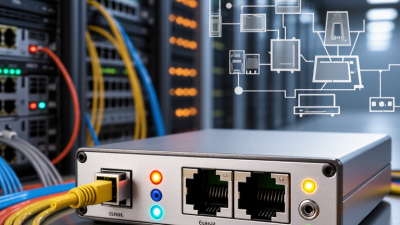
Hey there! So, global buyers are really rethinking how they connect their fiber backbones with copper devices. And honestly, a Fiber To Ethernet Adapter is just the thing you need — it acts as a practical bridge, linking an SFP-based fiber uplink to whatever device you're working with — be it a server, a camera, an industrial controller, or an office switch. Now, this isn’t just some theoretical idea. Reports from Cisco’s Annual Internet Report show that the number of connected devices, bandwidth usage, and network complexity are all still on the rise. The Dell’Oro Group’s Ethernet Switch report also points to ongoing investments in faster enterprise and data center infrastructure. Plus, Grand View Research highlights that expanding fiber deployment is a major driver behind the growth of optical networking equipment. But, heads up — just because these reports are positive doesn’t mean every purchase will automatically work out. You still need to consider factors like how far you need to send data, the type of connector, transmission speed, power needs, and environmental conditions. Little details really matter here. For example, a 1000BASE-LX link might need single-mode fiber, while a nearby multimode setup could use a totally different optical spec. Some buyers might also require managed monitoring, redundant power supplies, support for industrial temps, or compatibility with Fiber Optic Ethernet. Using the wrong adapter can lead to all sorts of headaches — like flaky packet delivery, overheating, or just having to buy replacements sooner than expected. Bob Metcalfe, who co-invented Ethernet, famously called it 'the plumbing of the Internet.' And honestly, that idea still holds true today. An adapter might not grab the spotlight, but it quietly plays a big role in making sure all the different network layers actually talk to each other reliably. This guide takes a close look at the top Fiber To Ethernet Adapter options out there for buyers around the world. It compares standards, physical design, how well each has been tested in real-world scenarios, warranty details, and how transparent the suppliers are. The specs might look good on paper, but real-world conditions are a whole different ballgame. That’s where careful evaluation really begins.
Read more »
Oliver By:Oliver - September 21, 2026