

Hot Products


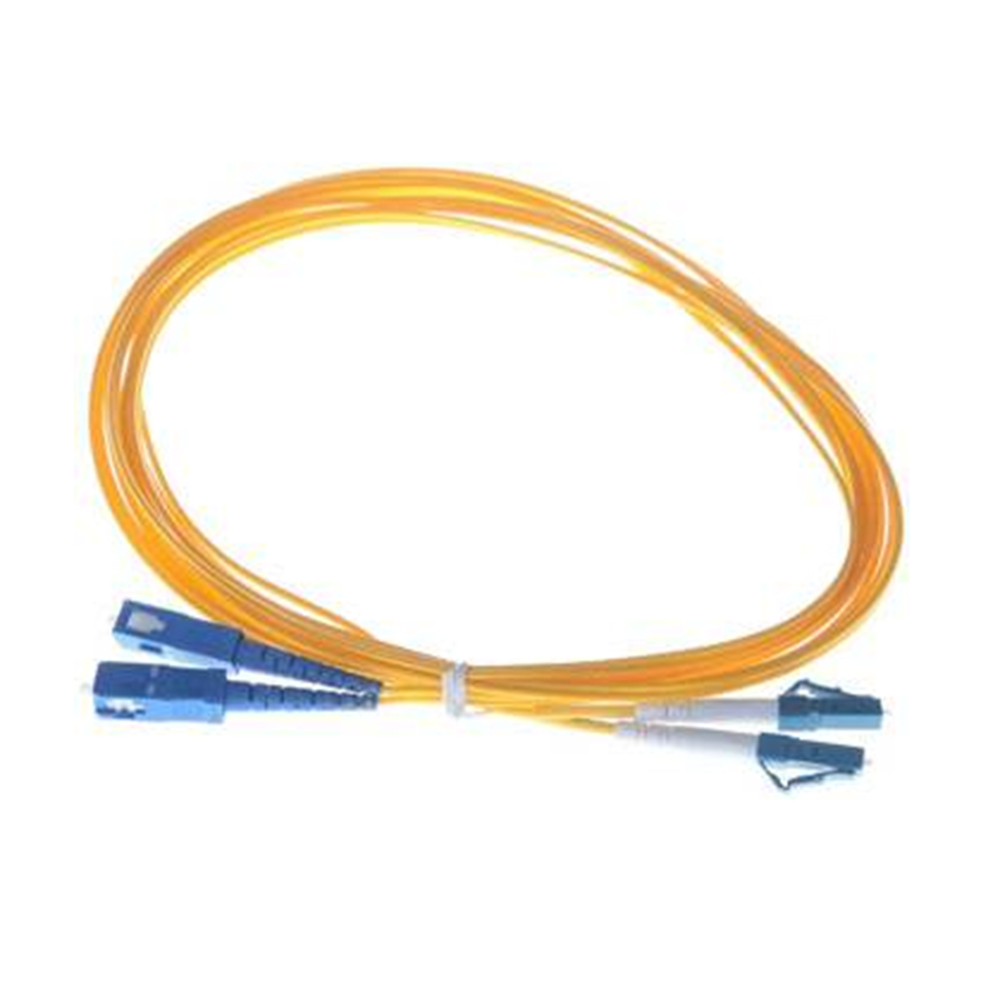
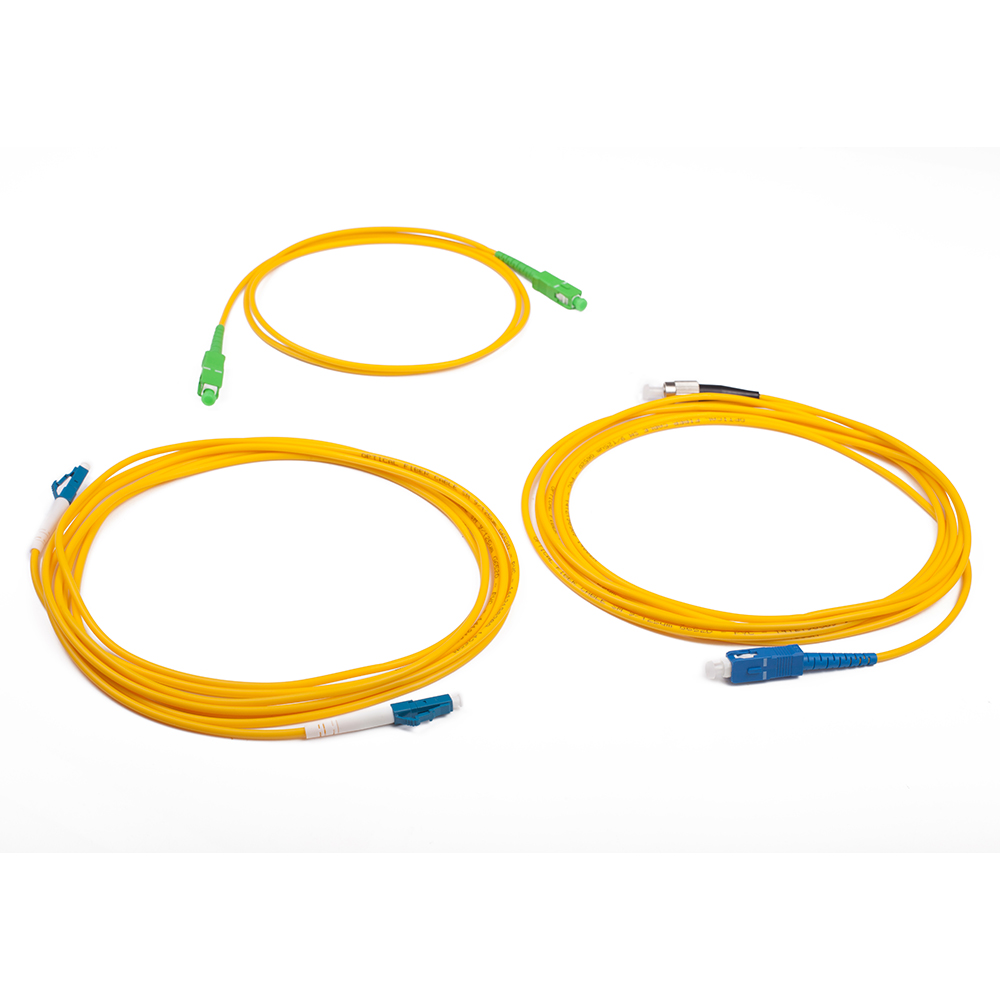
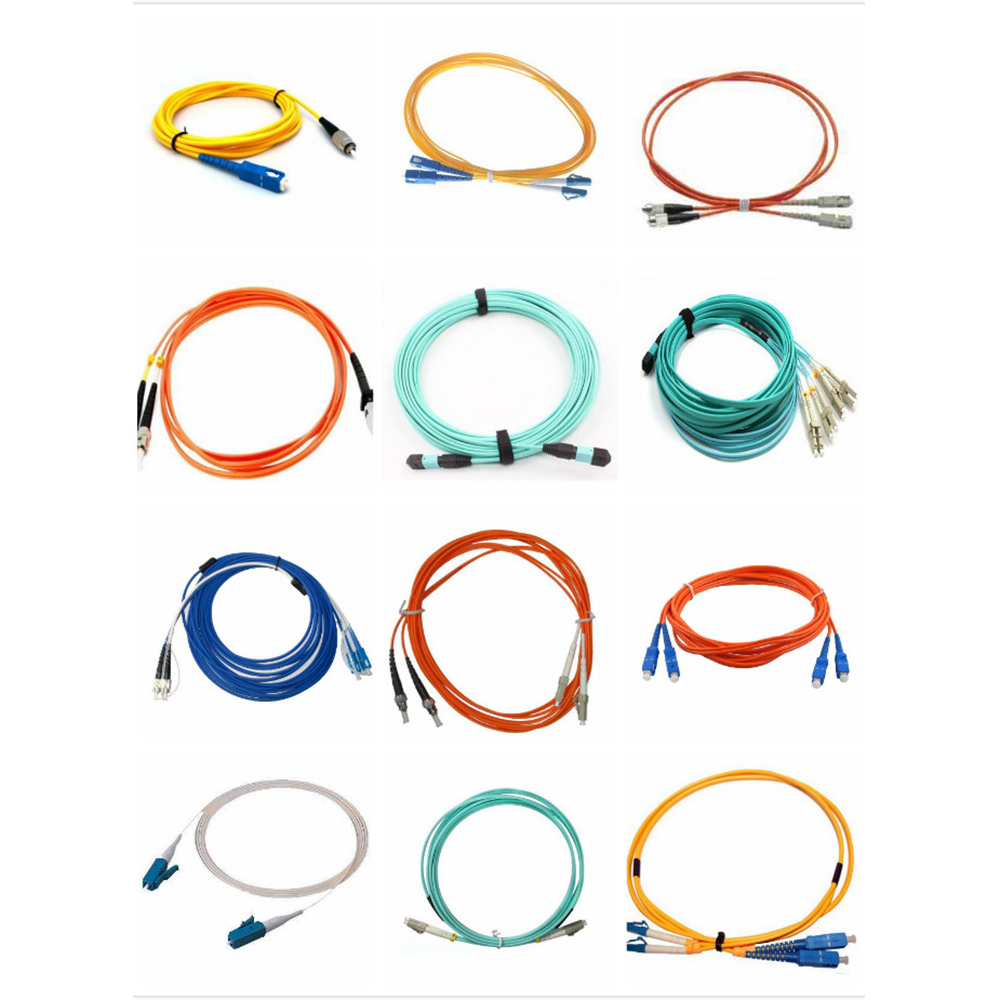
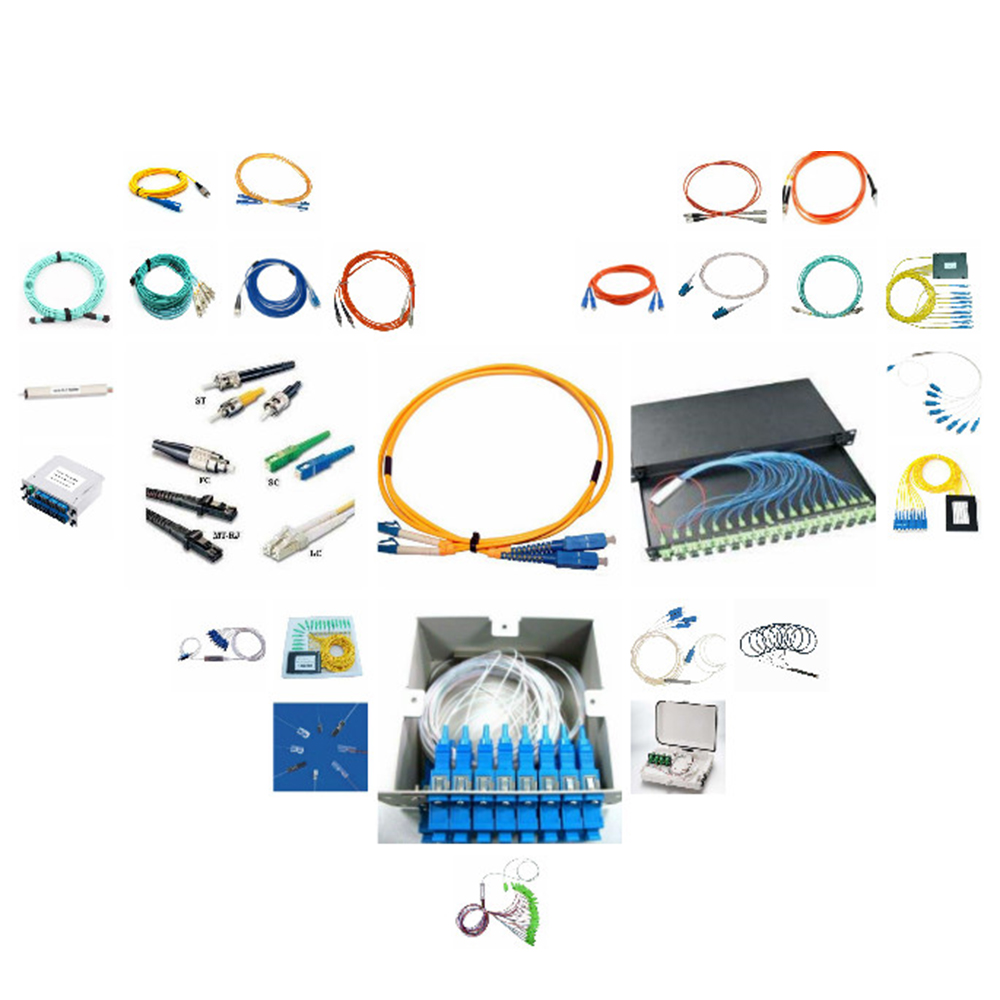
China Professional Optical Fiber Patch Cord Factory - SC, FC, LC Connectors, UPC/APC End Face, Suppliers of Quality Cables
An Optical Fiber Patch Cord (also called fiber jumper or patch cable) is a fundamental passive component for connecting optical devices in fiber-optic networks, featuring pre-terminated connectors at both ends.
Core Definition & Function
It is a short-length optical fiber (typically 0.5m–10m) with standardized connectors attached to each end. Its key role is to establish temporary or permanent optical connections between devices like transceivers, switches, patch panels, PLC splitters, and FAUs, facilitating signal transmission with minimal loss.
Key Components & Structure
Optical Fiber Core
The transmission medium, available in single-mode (SMF, 9/125 μm) for long-distance or multi-mode (MMF, 50/125 μm) for short-range scenarios.
Cladding & Coating
Cladding ensures total internal reflection, while a polymer coating prevents mechanical damage and moisture intrusion.
Strengthening Member
Materials like aramid yarn (Kevlar) or steel wire enhance tensile strength, resisting breakage during handling.
Jacket & Connectors
Outer sheath (PVC, LSZH, or OFNP) for protection. Connectors (SC, LC, ST, FC, MPO) are polished (PC, UPC, or APC) to minimize loss.
Critical Features
✓ Low Insertion & Return Loss: Typical insertion loss <0.3 dB, return loss >45 dB (UPC) or >60 dB (APC).
✓ High Compatibility: Standardized connectors match global industry specifications.
✓ Mechanical Durability: Reinforced structure withstands repeated plug-unplug cycles (≥1000 times).
✓ Environmental Adaptability: Operates stably from -40℃ to +85℃.
✓ Flexible Configurations: Customizable length, fiber type, and jacket material.
Common Types & Classifications
- By Fiber Type: Single-mode Patch Cord (long-haul, PON) and Multi-mode Patch Cord (data centers, LANs).
- By Connector Type: SC-SC, LC-LC, SC-LC, ST-FC, MPO-MTP, etc.
- By Jacket Material: PVC (indoor), LSZH (low smoke zero halogen), OFNR/OFNP (flame-retardant).
Typical Applications
Data Centers
Connect servers, switches, and storage to patch panels (10G/40G/100G).
Connect servers, switches, and storage to patch panels (10G/40G/100G).
Telecommunication
Link base stations, OLTs, and ONUs in PON/FTTH systems.
Link base stations, OLTs, and ONUs in PON/FTTH systems.
Enterprise Networks
Facilitate connections between network hardware in offices.
Facilitate connections between network hardware in offices.
Test & Measurement
Verify signal performance and network integrity in lab setups.
Verify signal performance and network integrity in lab setups.
Frequently Asked Questions
What is the typical length of an Optical Fiber Patch Cord?
Optical fiber patch cords are typically available in short lengths ranging from 0.5 meters to 10 meters, though custom lengths can be manufactured for specific needs.
What is the difference between Single-mode and Multi-mode patch cords?
Single-mode (9/125 μm) is designed for long-distance, high-bandwidth applications, while Multi-mode (50/125 μm or 62.5/125 μm) is used for short-range data transmission like in data centers.
What are the common types of fiber connectors?
The most common connectors include LC, SC, ST, FC, and MPO/MTP, which can be configured in various combinations like LC-LC or SC-LC.
Why is LSZH jacket material important?
LSZH (Low Smoke Zero Halogen) jackets are safer for public areas and poorly ventilated spaces because they emit limited smoke and no toxic halogen gases when exposed to high heat.
How many times can a fiber patch cord be plugged and unplugged?
High-quality fiber patch cords are designed for mechanical durability and can typically withstand 1000 or more mating cycles.
What do UPC and APC mean in fiber connectors?
They refer to the polish type of the fiber end-face. UPC (Ultra Physical Contact) is usually blue and has low return loss, while APC (Angled Physical Contact) is green and offers even lower return loss, ideal for sensitive networks.