In today's digital world, having a solid internet connection really matters for both everyday folks and businesses alike. You know, one standout option is Fiber Connectivity. It’s honestly one of the best ways to get faster, more reliable internet. I was reading what Dr. Emily Baker from FiberTech Solutions said—she’s pretty much an expert—and she pointed out that fiber isn’t just about speed. She emphasized, “Fiber Connectivity is about reliability and making sure your network's ready for what's next.” That really hits home, right? It shows why investing in good quality connections is so worth it.
Now, the cool thing about fiber internet is that it uses light signals to send data, which gives it a big edge over older cable or DSL services. But here’s the thing—many folks forget about some simple stuff that can actually make their fiber experience way better. Things like proper installation, choosing the right equipment, and setting up your network the right way. Those little tweaks can seriously boost your speeds.
On the flip side, there are still some common mistakes people make. For example, underestimating how important regular maintenance is. Just keeping your devices updated and checking your connections might seem like a hassle, but it’s actually super important if you want smooth performance. So, jumping into Fiber Connectivity isn’t just about upgrading your tech—it’s also about paying attention to these little details that make your online experience way nicer.
Understanding Fiber Connectivity and Its Benefits
Fiber connectivity has transformed how we access the internet. With fast data transfer speeds and low latency, it enhances overall online experiences. According to a recent report from the Fiber Broadband Association, fiber connections can achieve speeds of up to 1 Gbps, outpacing traditional copper connections. This makes fiber ideal for activities like streaming, gaming, and remote work.
Understanding fiber connectivity involves recognizing its benefits. Fiber optic cables transmit data using light, leading to higher speeds and better reliability. Unlike copper, fiber is less susceptible to interference. A study from the International Telecommunications Union showed that fiber networks significantly reduce packet loss, crucial for seamless video calls and online gaming.
To improve your fiber internet experience, consider these tips. Ensure your router is fiber compatible and positioned in a central location. Regularly update its firmware for security and performance enhancements. Avoid physical obstructions, as they can degrade signal quality. Investing in quality Ethernet cables can also enhance wired connections, maximizing the benefits of fiber connectivity.
Assessing Your Current Internet Infrastructure
Assessing your current internet infrastructure can unlock better performance. Begin by examining your existing connections. Are you still using older copper wiring? This could bottleneck your speed. Consider upgrading to
Fiber Optic Connectivity. It offers higher speeds and better reliability.
Check your router's capabilities. Many homes use outdated models that can't handle today’s bandwidth demands. Invest in a modern router that supports advanced standards. These routers enhance Wireless Performance significantly. Look for features like
dual-band frequencies, which provide better coverage.
Lastly, evaluate your service provider. Are you getting the speeds you pay for? Perform regular speed tests to assess performance. Sometimes, simply discussing your needs with your provider can lead to better solutions.
It’s crucial to reflect on your setup. Identifying gaps can lead to improvements. Enhanced connection often follows small changes.
Choosing the Right Fiber Internet Plan for Your Needs
When choosing the right fiber optic internet plan, understanding your needs is crucial.
Studies show that high-speed fiber connectivity can improve streaming, gaming, and remote work experiences, providing reliable speeds of up to 1 Gbps.
Additionally, fiber connections exhibit lower latency, which is essential for online gaming and video conferencing.
Consider your household's online activities. If multiple users stream in 4K or engage in heavy online gaming, a higher-tier plan may be necessary.
On the other hand, a smaller household that primarily browses the web may require less bandwidth.
According to industry reports, around 80% of users only need speeds between 100-300 Mbps for most daily tasks.
Tips for fiber internet selection: Assess your typical usage patterns. Look for plans that offer flexibility and scalability as your needs grow.
Always check for hidden fees and customer service ratings when choosing a provider. Remember, not all fiber optic services are the same,
so research thoroughly before making a commitment.
Tips for Optimizing Home Network Setup
Optimizing your home network setup can greatly improve internet performance. Start with your router's placement. Avoid corners and enclosed spaces. Instead, place it in a central, elevated location. This simple change can enhance the signal strength throughout your home.
Ensure your equipment is up to date. Older routers may not support the latest standards. Check for firmware updates regularly. These updates can improve speed and security. Connect devices using Ethernet whenever possible. It provides a more stable connection than Wi-Fi.
Monitor connected devices. Too many devices can slow down your network. Identify bandwidth-hogging applications. Limit their use during peak times. While having multiple devices is convenient, it could lead to frustration if the network slows down. Consider these factors as you work towards an optimized home setup.
Common Issues with Fiber Connectivity and Their Solutions
Fiber connectivity is increasingly popular as internet demands grow. However, users often face common issues that hinder performance. One prevalent problem is signal degradation, particularly over long distances. According to the Fiber Broadband Association, signal loss can reach up to 0.5 dB per kilometer. For users far from the service node, this can result in slower speeds and unreliable connections.
Another common issue is network congestion, especially during peak hours. Research indicates that fiber networks can experience a drop in performance when multiple users access heavy bandwidth applications. To mitigate this, implementing Quality of Service (QoS) measures can prioritize essential traffic. This ensures that critical applications receive the necessary bandwidth, reducing lag and enhancing overall performance.
Proper installation plays a crucial role in fiber connectivity. Incorrect splicing or poor connections can lead to significant issues. A study by the International Telecommunication Union noted that up to 70% of connectivity problems arise from installation mistakes. Regular maintenance checks and professional assessments are vital for early detection of potential problems. Taking these proactive steps can help maintain a stable and high-performing fiber connection.
Monitoring and Managing Internet Performance
Monitoring and managing internet performance is crucial for maximizing your online experience. Understanding latency and bandwidth is just as vital. A recent report from the Telecommunications Industry Association stated that internet latency should ideally stay below 100 milliseconds for smooth browsing. Many users, however, experience delays far exceeding this number due to poor connections or outdated infrastructure.
Regularly testing your connection can reveal these issues. Tools like speed tests can help you assess your performance. Meanwhile, the importance of Fiber Optic Fiber cannot be overstated. According to a study by the Fiber Broadband Association, access to fiber networks can improve internet speed by up to 1 Gbps. This speed allows for quick uploads, downloads, and streaming capabilities without interruptions.
Managing your internet performance also involves monitoring network usage. For example, during peak hours, bandwidth is often taxed, slowing down your connection. Identifying these times can help you plan your online activities. Simple adjustments, such as scheduling downloads during off-peak hours, can significantly enhance your experience. Fiber optic fiber technology can handle increased traffic effectively, reducing potential slowdowns.
Future-Proofing Your Fiber Connectivity for Upgrades
Future-proofing your fiber connectivity is crucial for keeping pace with technological advancements. The rapid evolution of internet services demands more bandwidth and faster speeds. Using high-quality Fiber Optic Cable can provide a reliable foundation. However, knowing the potential for upgrading is just as vital. You must assess your current setup. Are you using outdated components?
When planning for future upgrades, consider scalability. Ensure your network can handle increased demand. Fiber connectivity doesn't only mean speed; it involves resilience and adaptability. You may think your current service meets your needs. However, as applications become more data-intensive, the pressure increases. Evaluate your wiring and equipment. Infrastructure choices now will impact your performance later.
Installation of supplementary network features can also enhance your existing setup. Additional routers or switches might be necessary as you grow. Mistakes can happen. Opting for cheaper connections may seem wise initially, but can unravel in performance. Investing in high-quality Fiber Optic Cable can avoid these pitfalls. Keep an eye on emerging technologies. Planning for those developments can secure your internet service for years ahead.
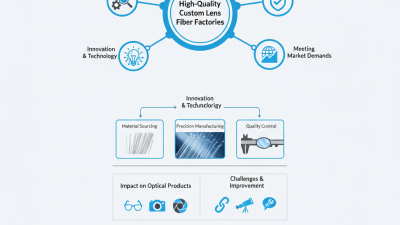
Leveraging Market Insights from the Latest Photonics Research: A Guide to Choosing a High-Quality Customized Fiber Array Unit
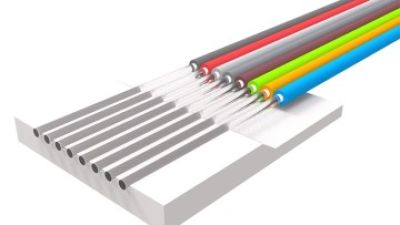
The photonics market is continuously evolving, with researchers and manufacturers striving for innovation in fiber array units. One critical aspect in selecting a high-quality customized fiber array is the understanding of market insights derived from the latest research. A comprehensive analysis allows stakeholders to identify the features that best meet their application requirements. For instance, options like VG thickness of 0.35mm and lid thickness of 0.09mm cater to different operational preferences and environmental conditions, ensuring optimal performance across diverse applications.
Furthermore, the advancement in fiber array designs such as the 2D FA and various configurations for PMF and protruding FAs illustrate the industry's shift toward specialization. The option for protruding fibers ranging from 1 to 6mm reflects the adaptability required for modern integrative systems, facilitating easier coupling in complex setups. With configurations available from 1ch to a staggering 192ch, the variety in channel options allows for scalability in both research settings and commercial products.
In the realm of precision engineering, maintaining a core pitch tolerance of +/-0.5um is critical for achieving the highest levels of performance in photonics applications. The fine-tuning of these specifications is backed by industry reports highlighting that the demand for customized solutions is growing, with projections indicating an increased adoption of tailored fiber technologies across scientific and industrial sectors. As such, leveraging these insights can lead to more informed decisions in selecting fiber array units that align with both current and future needs.
FAQS
: Fiber connectivity refers to using fiber optic cables for internet access. They transmit data using light, providing high speeds.
Fiber connections can achieve speeds up to 1 Gbps. This is significantly faster than traditional copper connections.
Common issues include signal degradation and network congestion. These can cause slower speeds and unreliable connections.
Ensure your router is compatible and centrally located. Regular firmware updates can also enhance performance.
Network congestion happens when multiple users access heavy bandwidth applications. This can slow down your connection during peak hours.
Proper installation is crucial. Up to 70% of connectivity problems come from installation mistakes. Professional help can prevent this.
Monitoring helps identify latency and bandwidth issues. It can improve your online experience significantly if addressed.
Speed tests are useful tools to assess your connection performance. They reveal speed and latency problems effectively.
Scheduling downloads during off-peak hours can enhance connection speeds. This simple adjustment reduces network congestion.
Regularly test your connection. Identifying peak usage times can help you plan better, improving overall internet performance.
Conclusion
Fiber connectivity has become essential for those seeking enhanced internet performance, offering faster speeds and improved reliability compared to traditional connections. Understanding the benefits of fiber connectivity includes recognizing its ability to support high-bandwidth activities, making it ideal for households with multiple users or online gamers. Assessing your current internet infrastructure is crucial to determine if an upgrade to fiber is necessary, followed by selecting the right fiber internet plan tailored to your specific needs for optimal results.
To maximize the advantages of fiber connectivity, optimizing your home network setup is vital. This includes positioning routers effectively and minimizing interference. Awareness of common issues with fiber connectivity and their solutions can prevent downtime and frustration. Regularly monitoring and managing your internet performance will ensure that you are getting the best experience possible. Finally, future-proofing your fiber connectivity for potential upgrades ensures that your setup can accommodate evolving technology demands, safeguarding your investment in high-speed internet for years to come.