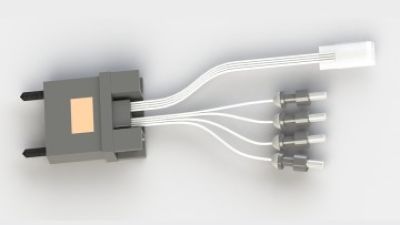
You know, the demand for really good connectivity solutions is just booming lately. Take optical patch cords, for example—they're right there at the cutting edge of this big tech wave. As we get closer to 2026, folks around the world who buy this stuff need to stay on top of the latest trends that are going to influence their choices. If you understand the specs and how these cables are used, it can actually help boost your network's performance. Industries like telecoms and data centers are totally leaning on these cables more than ever. Big names like Corning, Prysmian, and Sumitomo Electric are pushing the boundaries with new tech—these innovations show they’re serious about quality and dependability, which is super important if you're making purchasing decisions.
But honestly, not all optical patch cords are the same. Picking the right one can feel kinda overwhelming because of all the options out there—things like cable length, connector types, or how well they hold up in tough environments matter a lot. As the market keeps changing, it’s crucial to stay aware of these details so you can make smarter, more confident choices in this fast-moving scene.

Emerging Technologies Driving Optical Patch Cord Innovations
The optical patch cord industry is undergoing significant transformation driven by emerging technologies. Fiber optic communication is advancing rapidly. Innovations in materials, design, and manufacturing processes are crucial to meeting growing demands. New techniques allow for thinner, more flexible cables without sacrificing quality. These improvements enable easier installation in various environments.
Additionally, smart technologies are influencing optical patch cord development. Integration of sensors can provide real-time data on performance and health. This capability helps in predictive maintenance. However, this shift presents challenges. Technicians must adapt to new tools and technologies. The need for continuous learning in this field is increasing. As technology evolves, staying updated becomes essential.
Furthermore, sustainability is becoming a key focus. Eco-friendly materials and recycling methods are gaining traction. Companies are experimenting with biodegradable components. Yet, achieving a balance between performance and environmental impact remains a challenge. Each innovation requires careful consideration of its long-term effects. The industry must reflect on these developments to ensure a responsible future.
Sustainability: Eco-Friendly Materials in Optical Patch Cord Manufacturing
The optical patch cord industry is undergoing a significant
transformation with sustainability at the forefront. Eco-friendly
materials are becoming essential in manufacturing these products. Recent reports highlight that over
48% of manufacturers are prioritizing recycled and biobased materials.
This shift reflects a growing awareness of environmental impact among buyers. The use of sustainable resources can significantly
reduce carbon footprints, making Optical Cords greener.
Manufacturers are also exploring biodegradable polymers. These materials break down
more safely compared to conventional plastics. A recent study indicated that companies using such alternatives have seen a
20% increase in market share among eco-conscious consumers. However,
challenges remain. The durability of eco-friendly optical cords still requires improvement. There is a need for ongoing research
to ensure these products meet performance standards.
Consumer demand is driving innovation. Industry leaders say that around 65%
of buyers prefer sustainable options. This trend reflects a broader shift towards environmentally responsible practices. While the
market moves in the right direction, there are concerns about costs and material sourcing. Balancing sustainability with affordability
is key. The optical cord landscape is changing, but vigilance is crucial in ensuring that eco-friendly products do not compromise
quality or reliability.
Market Demand: Key Industries Fueling Growth in Optical Patch Cord Usage
The global demand for optical patch cords is surging, driven by key industries such as telecommunications, data centers, and renewable energy. According to market studies, the optical patch cord market is expected to grow at a CAGR of 10% from 2021 to 2026. This growth reveals an increasing reliance on high-speed internet and data transmission, making optical cables essential.
Telecommunication companies are investing heavily in expanding their networks. This is largely due to the increasing need for faster and more reliable internet connections. Data centers also play a crucial role, as they require efficient optical cable solutions to manage massive amounts of data. Furthermore, the renewable energy sector is utilizing optical cables for improved communication systems, enhancing efficiency and responses.
Tip: When selecting optical patch cords, consider the quality of the materials and connectors. This can significantly impact performance, leading to more reliable connections.
Overall, understanding market demands can help buyers make informed decisions. However, not all solutions may fit every scenario. It's important to evaluate specific needs versus available options. Sometimes, trial and error is the only way to discover the right fit for your operations.
Global Supply Chain Dynamics Impacting Optical Patch Cord Availability
The global supply chain is undergoing significant changes, affecting the availability of Patch Cords. These crucial components are essential for seamless optical connections. Recent fluctuations in manufacturing and shipping have caused delays in delivery times. Buyers are feeling the pinch, facing longer wait times for essential supplies.
Moreover, geopolitical tensions and trade restrictions play a role. They create uncertainty in sourcing raw materials necessary for patch cord production. As manufacturers scramble to adapt, some are re-evaluating their suppliers. This shift can lead to quality inconsistencies in products, demanding buyers to stay vigilant.
Analysts suggest diversifying supply chains to mitigate these challenges. Engaging with multiple suppliers might reduce risks of delays. It's also crucial for buyers to assess their stock regularly. These strategies can help maintain the flow of patch cords in a volatile market. While the path forward is uncertain, proactive measures can enhance resilience in the supply chain.
Customization Trends in Optical Patch Cord Design for Diverse Applications
In recent years, the demand for optical patch cords has surged, driven by the need for faster and more reliable connectivity. Customization in the design of optical patch cords is becoming a pivotal trend. Today, buyers seek solutions tailored to their specific applications. A report by MarketsandMarkets indicates that the global optical fiber patch cord market is projected to grow at a CAGR of 10% between 2021 and 2026. This growth is largely influenced by the diversification of applications in industries such as telecommunications, data centers, and healthcare.
Customization options vary widely. Colors, lengths, and connector types can all be adapted to meet unique requirements. This approach allows facilities to implement a more organized and efficient cabling system. However, inconsistency in standards can present challenges. It’s crucial for buyers to ensure compatibility with existing systems. Mastering customization requires a deep understanding of current industry standards and technological advancements.
Tips: Always consult with experts when choosing customized solutions. Research the compatibility of components beforehand. Consider future scalability in your designs, which could save costs down the line. Embracing these customized trends can significantly enhance operational efficiency while making room for continuous improvement.
Competitive Landscape: Leading Manufacturers and Their Market Strategies
In the competitive landscape of optical patch cords, manufacturers are diversifying their strategies to capture global markets. The constant evolution in technology demands agility. Companies are focusing on enhancing product features. They prioritize durability and performance to meet customer needs. Factors such as cost-effectiveness and reliability are crucial. Manufacturers must adapt to varying regional demands and compliance standards.
Tips: Consider current trends in sustainability. Buyers prefer eco-friendly materials in production. Engaging with suppliers who prioritize ethical practices enhances brand reputation.
Additionally, effective marketing strategies play a significant role. Companies are leveraging digital platforms for brand awareness. They employ targeted advertisements to reach specific users. Understanding buyer preferences can lead to better customer satisfaction. Still, relying solely on online strategies may overlook offline markets.
Some brands are failing to innovate quickly enough. Stagnation can lead to losing market relevance. Continuous learning and adaptation are essential for survival. Keeping a pulse on emerging technologies and customer feedback is vital.
Future Outlook: Predictions for Optical Patch Cord Development by 2026
The future of optical patch cords looks promising. By 2026, advancements in technology will shape the market significantly. Expectations point towards increased demand for higher bandwidth solutions. This surge will be driven by the growth of data centers and 5G technology deployment.
Optical patch cords will evolve in design.
Lc Patch Cord, known for its compact form, will gain popularity. These cords will offer better performance in limited spaces. However, not all users may opt for the latest innovations. Some companies might still prefer traditional options due to cost concerns.
Tips: Always consider the installation environment when choosing optical cords. Consult with professionals to ensure compatibility with existing systems. Stay updated on industry trends to avoid falling behind. As we approach 2026, user flexibility will be crucial for adapting to these changes.
Exploring the Advantages of High-Speed PSM4 MT Optical Transceivers: A Guide to Bi-Directional Transmission Solutions from China
In the rapidly evolving world of data centers, bi-directional transmission solutions play a crucial role in optimizing performance and efficiency. High-speed PSM4 optical transceivers represent a significant advancement in this domain, designed to meet the rigorous international standards such as IEC62148-16 and GR326. These transceivers facilitate seamless data flow by enabling simultaneous two-way communication over a single fiber, greatly enhancing bandwidth utilization.
Engineered for minimal loss and maximal reliability, our high-speed PSM4 transceiver solution caters specifically to the demanding needs of modern data centers. The integration of cutting-edge technology ensures that operators can achieve optimal efficiency while minimizing operational costs. This approach not only accelerates data transfer rates but also contributes to the overall sustainability of the infrastructure by reducing energy consumption.
As the demand for high-capacity data transmission continues to grow, adopting advanced bi-directional optical transmission solutions like the PSM4 transceiver is essential. Its high-integration capabilities position it as an ideal option for suppliers looking to enhance their data handling processes while maintaining high standards of performance and reliability.
FAQS
: Innovations are driven by advancements in materials, design, and manufacturing processes to meet industry demands.
Smart technologies enable real-time performance monitoring and predictive maintenance, but technicians must adapt to new tools.
Companies experiment with eco-friendly materials and recycling methods while balancing performance with environmental impacts.
Key industries include telecommunications, data centers, and renewable energy, driving up demand for high-speed communication.
Buyers should focus on the quality of materials and connectors, as these significantly affect performance and reliability.
The market is expected to see increased demand for higher bandwidth solutions influenced by 5G and data center growth.
Companies need to assess specific needs against available options; sometimes trial and error is necessary to find the right fit.
Designs will evolve towards compact forms, like Lc Patch Cords, which enhance performance in space-constrained environments.
Cost concerns could lead some companies to stick with traditional options rather than adopting newer technologies.
Staying updated on industry trends and consulting professionals ensures better compatibility and adaptability to new solutions.
Conclusion
The article "2026 Top Optical Patch Cord Trends for Global Buyers" explores various key trends shaping the optical patch cord market. Emerging technologies are driving innovations, enhancing performance and functionality, while an increasing emphasis on sustainability is leading manufacturers to utilize eco-friendly materials. The demand for optical patch cords is being significantly fueled by several key industries, highlighting their critical role in modern communication networks.
Additionally, the dynamics of the global supply chain are influencing the availability of optical patch cords, as manufacturers adapt to challenges and opportunities. Customization trends are on the rise, catering to diverse applications across different sectors. The competitive landscape remains vibrant, with leading manufacturers implementing various market strategies to maintain their positions. Looking ahead, the future of optical patch cords by 2026 appears promising, suggesting continued growth and technological advancements in this essential market segment.